Describe the Whole Journey
Start with the parts of an outing that need to work: transport, arrival, the route into the venue, facilities, the main activity, and the return. An accessible entrance is only one piece of that chain. Write down the practical questions that matter to your party, whether they involve distance, surface, steps, seating, hearing, vision, or sensory conditions. Use those questions to compare destinations. A general accessibility badge can be a useful signpost, but the detailed description is what helps you decide whether the experience suits you.
Doane: A Paved Loop With Seasonal Facilities
For a paved woodland walk, start with the Doane Trail near Eastham’s Doane Picnic Area, about a mile east of Salt Pond Visitor Center on Nauset Road. The National Park Service describes the 0.6-mile loop as wheelchair accessible, with a suitable grade for strollers. It passes through pine and oak woods and has interpretive text along the route. NPS lists seasonal restrooms, so confirm facilities separately from the path itself. Ask about current surface conditions and the approach from parking if either could affect your visit; a published route description does not establish conditions on the day.
Buttonbush: Sensory Features, With Steps To Consider
Buttonbush begins beside the Salt Pond Visitor Center amphitheater at 50 Nauset Road. Its 0.3-mile loop includes guide ropes, Braille and large-print exhibits, and marked steps for visitors with low or no vision. NPS also describes log steps in the second half and a moderate grade. Those details matter more than the short mileage when choosing a route. A boardwalk bridge crosses Buttonbush Pond, but that does not make the entire loop step-free. Allow time for the interpretive activities, and discuss the route with park staff if your group needs both visual and mobility accommodations.
Red Maple Swamp: Check The Approach To The Boardwalk
Red Maple Swamp offers a different woodland setting, reached from the Fort Hill Trail or Hemenway Landing. NPS lists a 0.8-mile round trip with boardwalk sections, steps down into the trail, and changes in elevation. Do not choose it on the assumption that a boardwalk means a level approach from the car. Review the official map and identify your starting point before adding a Fort Hill connection, which changes the outing. The park’s general information number is 508-255-3421 for questions about access arrangements; check its current-conditions page for notices before traveling.
Check Beach Access by Location
Cape Cod National Seashore publishes accessibility resources, including information about physical and mobility access. Read the page for the particular beach or facility, then ask the park about anything essential that is unclear. Access equipment and beach facilities can be seasonal, and a photograph taken at another time may not show current conditions. Establish how you would reach the sand, what assistance or equipment is available, how it is obtained, and where the nearest suitable facilities are. Avoid relying on a broad promise about the entire coastline.
Use Detailed Museum Information
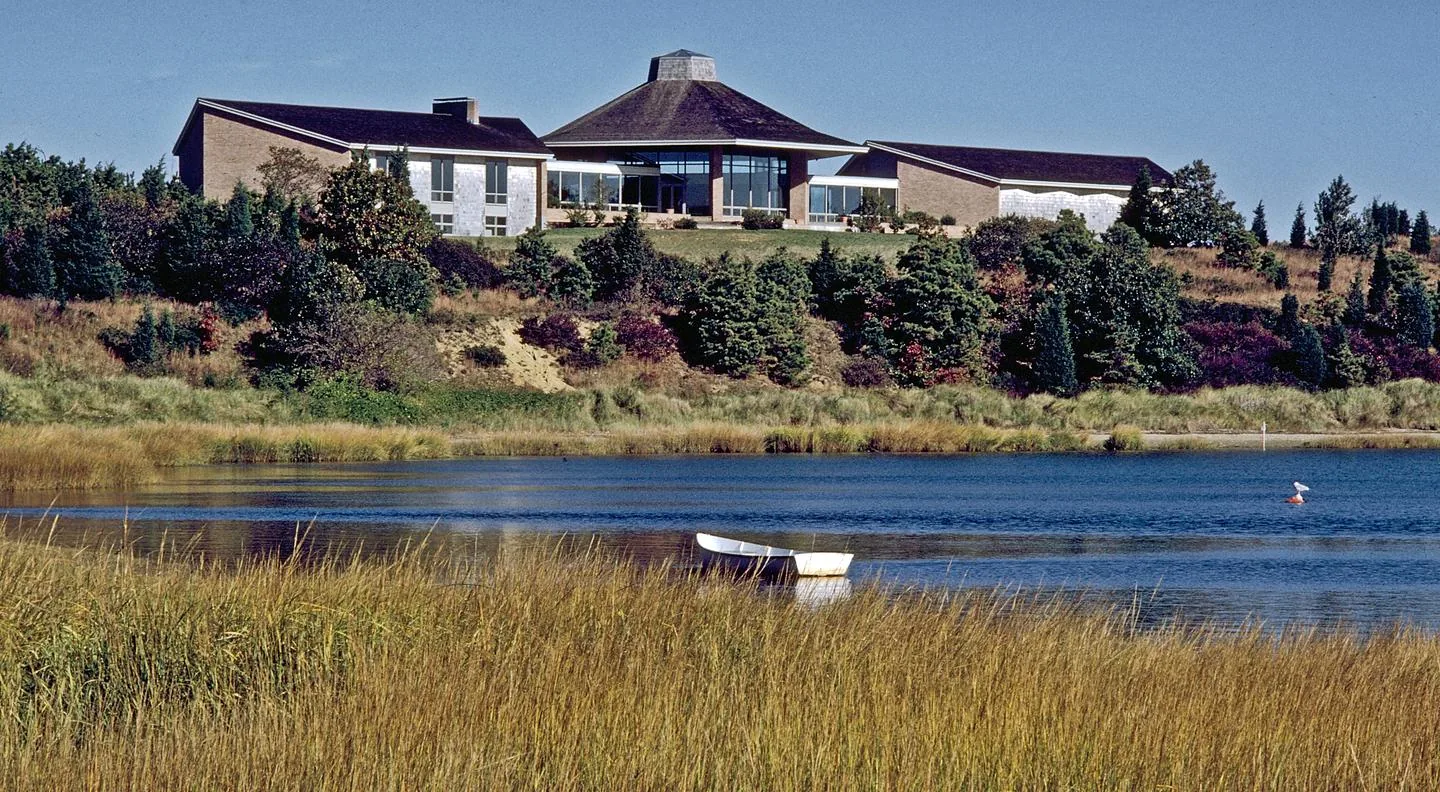
Heritage Museums & Gardens publishes a dedicated accessibility page and a contact route for additional questions. That is a useful model for planning at any cultural venue: review the information, identify the unresolved details, and ask about the date and activity you intend to book. Distinguish admission to the grounds from access to a particular exhibit, program, or seating area. If someone needs to remain with a companion or use equipment throughout the visit, make that part of the discussion before purchasing tickets. Confirm the operating calendar for your intended date as well as the access arrangements; a permanent accessibility page is not an opening-hours notice.
Leave Room for a Comfortable Change
Choose a first stop that can stand alone as a complete outing. Keep a shorter version of the day available, with a clear place to rest and an uncomplicated way to return. Share the agreed arrangements with the people who need them, without passing around unnecessary personal information. Reconfirm essential equipment or assistance shortly before the visit. This guide is a planning framework based on published resources; it does not certify any destination as suitable for every visitor. The traveler’s own needs and the venue’s specific answers should shape the final plan.