Choose the canal bank before the activity
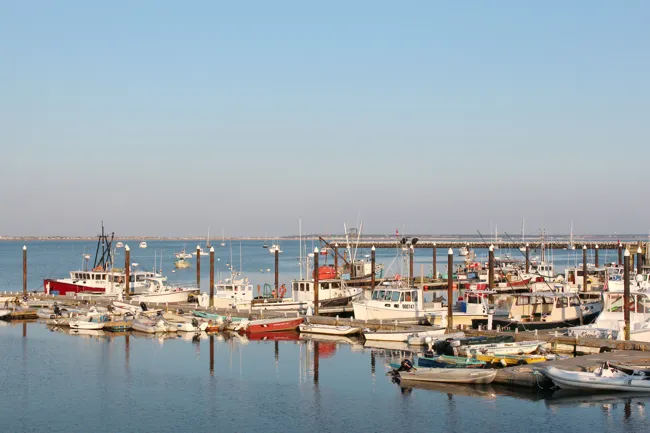
A Cape Cod Canal outing becomes easier once you choose a particular access point and stay on that side for the main walk or ride. The U.S. Army Corps of Engineers manages recreation along this working waterway and publishes information about its service roads and access areas. Look at that map before choosing a distance. A bridge visible overhead does not automatically create a convenient pedestrian loop back to the start. For a first visit, an out-and-back from one confirmed parking area makes the return straightforward and lets the group shorten the outing without solving another transport problem.
Watch infrastructure doing a job
Use the canal as an opportunity to observe a place built for navigation. From a permitted public viewpoint, notice the relationship between the water, banks, bridges, and vessels if any pass. Boat traffic is a possibility, not a scheduled performance. The Corps’ recreation information also describes a seasonal visitor center in Sandwich, where canal interpretation can provide context. That is a separate stop from a Bourne-based walk; check its operating calendar and location before adding it. On a windy or wet day, the visitor center is only an indoor fallback if it is actually open.
Give Aptucxet a different question
The Bourne Historical Society describes the Museums at Aptucxet as a twelve-acre campus with several structures and outdoor features. Its trading post is a replica, a distinction worth keeping clear when talking with children or captioning photographs. The campus also includes the Gray Gables Railroad Station and a replica saltworks. Instead of treating the site as one frozen moment, ask how different kinds of movement and work appear in its displays: exchange, rail travel, and production. Check which buildings and tours are available for your date; access to the grounds does not establish access to each interior.
Keep the two stops flexible
Choose one anchor: either a museum visit with a short canal walk, or a longer walk with the museum as an optional addition. The historical society’s published season does not cover the entire year, and a canal service road has a different set of conditions from an interpreted museum campus. Save the official recreation map and the society’s visitor information separately. Use the campus directions rather than a historical society mailing address, which may lead somewhere else. This is particularly helpful when several people are arriving independently and need to agree on one precise meeting point.
Finish with a comparison, not a mileage target
After the two stops, compare what each place makes visible. At the canal, the landscape is part of an operating transport system. At Aptucxet, interpretation and reconstructed elements help visitors consider earlier activities. Neither needs to be stretched into a full-day endurance outing. Choose the turnaround while everyone still has energy, bring what you need for your planned distance, and use posted notices for local access restrictions. If a museum closure removes the historical portion, keep the canal visit modest and save the interpretation for another date. The useful result is a clearer picture of Bourne, even after a short visit.