Begin with the unexpected museum
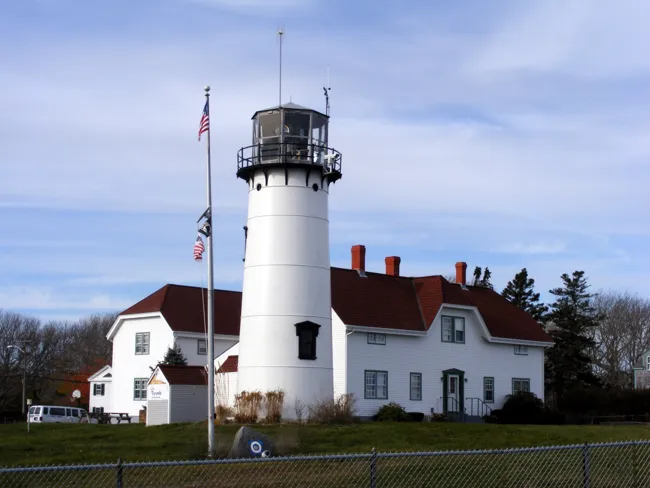
The French Cable Station Museum gives an Orleans day a subject that is easy to overlook on the way to the coast: how messages crossed an ocean before modern communications. The museum occupies a former cable station at 41 South Orleans Road, near the meeting of Route 28 and Cove Road. Its own description identifies historic telegraphic instruments, maps, and equipment associated with the transatlantic cable. Start with a simple question: what had to happen at this end of the cable for a message to become readable? Following that process gives the machinery a purpose beyond its unfamiliar appearance.
Plan for a guided experience
The museum’s visit information describes guided tours and a seasonal schedule. That makes it a different proposition from dropping into a large gallery for ten minutes. Check the current season notice and tour arrangements before setting the day’s order; the home page may carry a newer closure notice than a general visit page. Leave time to listen and ask questions about what an operator did, how the equipment was used, and what a cable failure meant. If the museum is closed, save this part for another trip rather than promising an interior visit on the strength of an old search result.
Choose Skaket or Rock Harbor by purpose
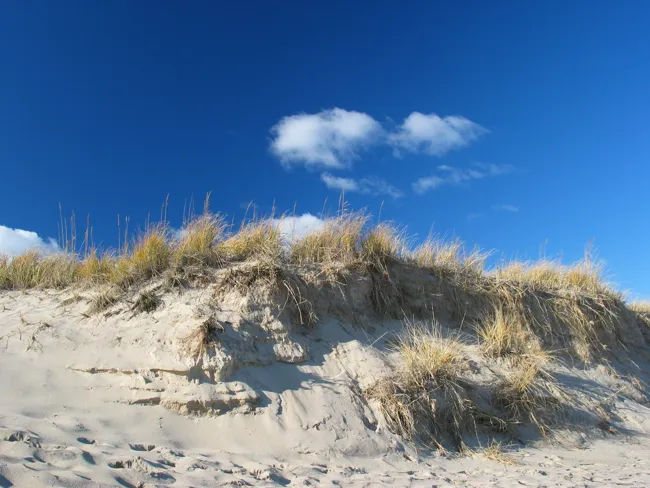
The Orleans Chamber of Commerce distinguishes the town’s Atlantic-facing beaches from its Cape Cod Bay shoreline and identifies Skaket Beach and Rock Harbor among the bay-side destinations. For this itinerary, choose a beach stop at Skaket or a harbor-focused visit at Rock Harbor according to what your group actually wants to do. A working harbor is not interchangeable with a swimming beach. Use the town’s current beach and parking information for the selected location, then check the day’s conditions. The museum supplies a fixed indoor subject; the waterfront portion can be shorter, quieter, and more dependent on weather.
Let the shore change the scale of the story
After looking at instruments that connected distant places, the bay can prompt a different conversation about distance and movement. Watch from an appropriate public area and compare a map with the horizon in front of you. There is no need to build the visit around a dramatic sunset or a particular stage of the tide. Neither is guaranteed by an afternoon itinerary. If your plan includes time on the beach, use current official conditions and posted directions, and keep the return route straightforward. This guide does not propose a route across tidal flats or between the beach and harbor.
Keep Orleans as the day’s boundary
A practical sequence is a confirmed museum tour, a meal or snack break, and one waterfront destination. Reverse that order if the museum’s arrangements require it. Save the two addresses and check the travel route before leaving, especially if several cars are meeting. For a rainy day, the cable station can be the whole cultural outing; extend the discussion over lunch rather than searching for another museum across the Cape. For an off-season day when the station is closed, choose the shore as a separate visit with modest expectations. Keeping the plan within Orleans leaves room to notice a place instead of repeatedly packing up to drive elsewhere.