Separate the three similar names
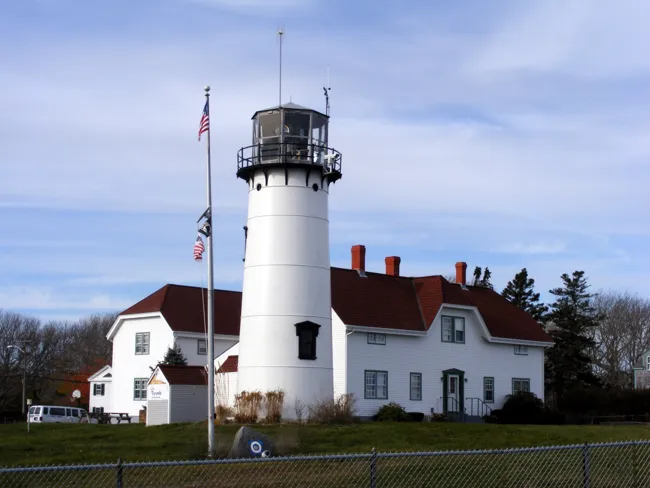
Highland Light, Highland House Museum, and the Highlands Center are not interchangeable destinations. The lighthouse is at 27 Highland Light Road, and the Truro Historical Society places its museum at 6 Highland Light Road nearby. The National Park Service’s Highlands Center page describes a different property and carries a restriction on general public access, apart from specified Payomet programs. Put the exact destination into your map before leaving. A broad search for “Truro Highlands” can return all three, so a saved address and official visitor page are more useful than relying on a place name alone.
Read the lighthouse as a changing site
The NPS explains that Highland Light’s present brick tower dates to 1857 and that erosion eventually led to moving the light station inland in 1996. Those facts make the surrounding landscape central to the visit. From designated public areas, consider why a fixed navigational structure sometimes needs to move. Keep the discussion grounded in the park’s interpretation; a view over the cliffs is not enough to judge erosion rates or predict future changes. The operator’s information explicitly says there is no beach access at the lighthouse, so a shoreline outing needs a different, properly researched access point.
Decide about the climb before buying into the idea
America’s National Parks operates the visitor tours and publishes the climbing requirements. Its guidance describes a narrow, steep staircase and ladders near the top, with a minimum height for children and restrictions on carrying people and bulky belongings. Read the current requirements as a group before promising the climb. Someone who prefers to remain below can still make the lighthouse’s setting and interpretation the focus of the visit. Tower tours are seasonal and weather-dependent, and the last tour can precede closing. Check the operator’s page for the actual date rather than borrowing hours from an old photograph or review.
Let Highland House widen the story
Highland House Museum occupies a former seasonal hotel and interprets Truro through exhibits about maritime life, rail transport, domestic history, and art. The historical society also identifies a People of the First Light exhibit and an outdoor wetu. Approach that material as an introduction to Wampanoag history and continuing community, rather than describing Indigenous people only as a vanished past. The museum’s seasonal schedule is separate from the lighthouse tour season. At the time of research, the society had posted its 2026 seasonal closure, so the pairing must be planned around a confirmed future museum visit or revised to omit the interior.
Choose a complete version for the available time
When both venues are operating, allow a distinct museum visit and a separately timed lighthouse experience, with space between them to take in the setting. When only the lighthouse visitor operation is available, keep that as the main outing and save the museum for its season. If neither interior is operating, check permitted grounds access before making a shorter exterior visit. Do not use the similarly named Highlands Center as an assumed substitute walking area. The strongest version of this Truro day comes from understanding the places you can actually visit, including how preservation, tourism, and a changing coastline intersect.