Identify which Barnstable you mean
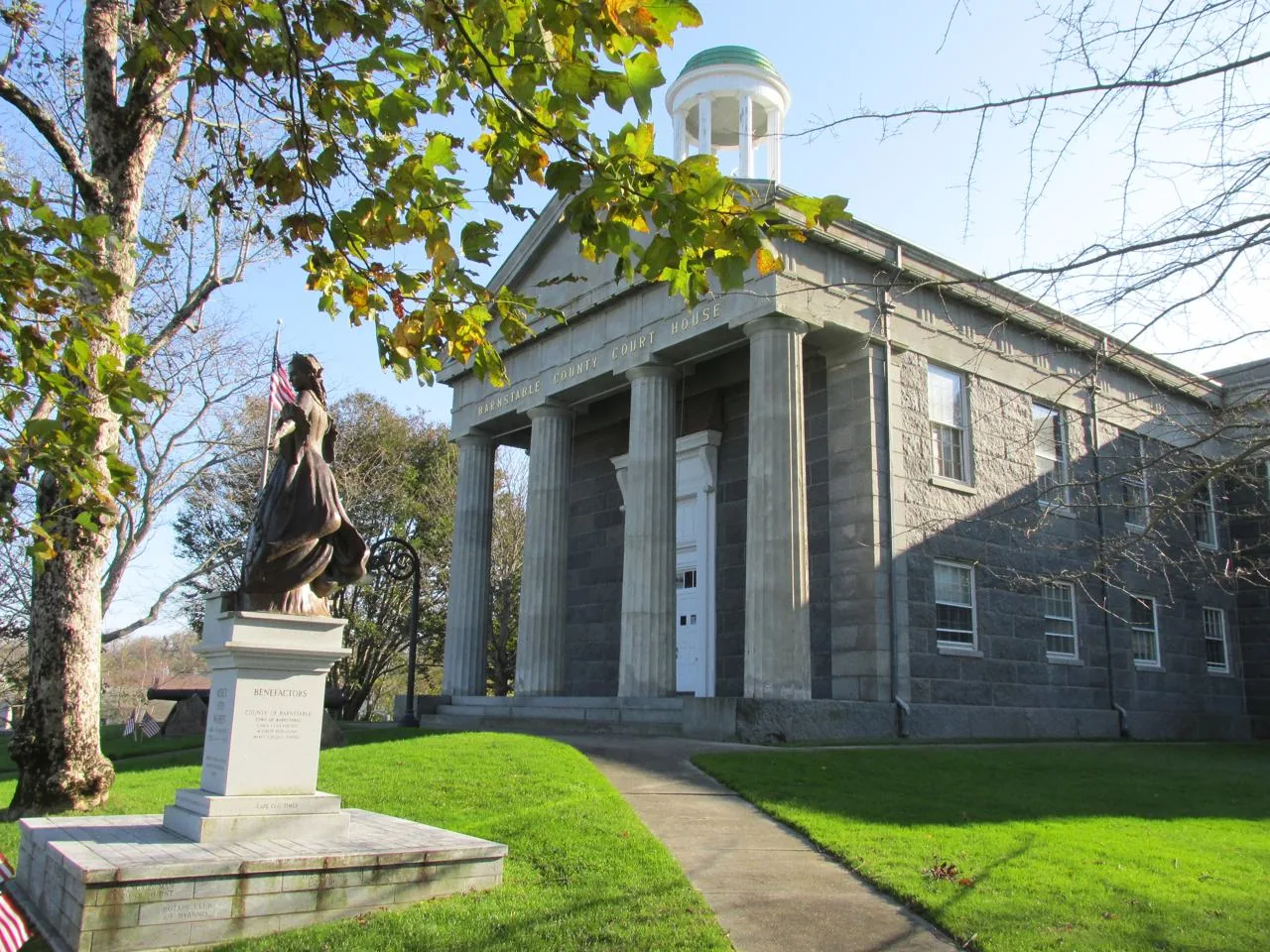
The Town of Barnstable and Barnstable County maintain different government records. Before following an issue, identify the public body named in the notice or document. The town’s Council page describes its legislative and policy-making role and links to meetings, while the county’s Meeting Center organizes regional public bodies and their materials. A shared place name does not make the records interchangeable. Start a simple note with the issue, the named body, and the official page where you found it. If responsibility is unclear, use that body’s listed contact to ask where the relevant record is maintained.
Read the town page’s notice about notices
Barnstable’s Town Council page makes a specific distinction: the agendas in its meeting archive are for information, and it links separately to official posted agendas. Follow that official-posting link when confirming a meeting notice. Then use the archive’s agenda, minutes, and video links to research the sequence of discussion. Check the year selector, because a search engine can land on an earlier archive. Also read the meeting title and location rather than assuming every entry follows the usual pattern. A special meeting, cancellation, or different venue should be verified from its own notice.
Check Town Hall Access During The Elevator Work
As checked October 29, the town still posts an elevator replacement window beginning September 8 and extending approximately through December 2026. Its August 27 notice says Town Hall remains open during the project. It describes in-person Council meetings with Zoom participation, regulatory-board meetings on Zoom, and varying arrangements for advisory boards. Use the particular meeting’s notice to confirm its format and location.
For a department visit, the town lists staffed assistance near the accessible ground-floor entrance and at the first-floor main entrance during normal operating hours. The notice gives the ADA coordinator’s number, 508-862-4692, for individual accommodation requests. Contact the town ahead of a visit if elevator access is part of your plan. The construction timetable is an estimate, and these announced arrangements are not a firsthand accessibility assessment.
A Current Example: Centerville Sewer Plans On November 18
The town has announced an in-person information session about the Centerville Village Sewer Expansion Project’s South Phase. It is scheduled for Wednesday, November 18, 2026, at 6 p.m. at the Barnstable Adult Community Center, 825 Falmouth Road in Hyannis. Use this venue rather than assuming the session will be at Town Hall.
The October 28 notice identifies planned service south of Route 28, including sections of Old Stage Road, Main Street, Craigville Beach Road, Old Post Road and Park Avenue, plus Bacon Lane, Maple Avenue and Linden Avenue. Read the notice for the precise road limits. Construction is projected to run from early 2027 through late 2028. Those are estimates, not a confirmation that work has started.
Public Works staff plan to explain the project and answer general questions. The town says a recording will later be available through Government Access Video on Demand and BarnstableWaterResources.com. Recheck the notice before attending; a planned recording is not yet a record of the meeting.
Use the county center as an index
Barnstable County’s Meeting Center brings together a calendar and access to meeting information for bodies such as the Board of Regional Commissioners and Assembly of Delegates. Open the individual event or linked material instead of treating the calendar’s short title as the full agenda. Save the body’s name, meeting date, document title, and source link. Where video or supporting documents are available, keep those links alongside the agenda. A recurring calendar entry and a separately posted agenda may refer to the same meeting, so compare the details before counting them as two events or choosing between conflicting snippets.
Follow the issue through its stages
An agenda tells you what is scheduled for consideration; it does not by itself establish what was decided. A presentation can explain a proposal without proving that the public body adopted it. To follow an outcome, look for the relevant discussion in the recording and for the minutes or decision document when available. Note whether minutes are identified as a draft or an approved record. If the material is incomplete, keep the uncertainty in your notes instead of filling the gap from a social post. This approach is a practical reading method, not a statement about legal notice requirements or the legal effect of a particular vote.
Build a repeatable local-news habit
Choose one issue and review its official sources on a regular schedule, rather than trying to monitor every board at once. Write a short record of what changed: a new agenda item, a posted document, a discussion, or a recorded decision. Include the date you checked and preserve the source title so you can find it again if a link moves. Before attending or participating, consult the specific meeting’s current instructions for location, remote access, and public comment. Use official contact channels for unresolved procedural questions. The result is a useful personal update that remains clear about what the records support and what still needs confirmation.